
Flickering lights. Buzzing sounds. Lamps that refuse to start. These problems often appear suddenly and disrupt normal operations in offices, factories, and commercial spaces. Many users replace lamps repeatedly, yet the issue keeps coming back. This leads to downtime, safety concerns, and unnecessary costs. In most cases, the real problem is not the lamp itself, but the ballast hidden inside the fixture.
An electronic ballast fails mainly due to heat, electrical stress, aging components, poor installation, or incompatibility with the lamp it drives. Compared with older magnetic designs, modern electronic ballasts are more efficient and compact, but they are also more sensitive to operating conditions. Understanding why they fail helps you diagnose problems faster and avoid premature replacements.
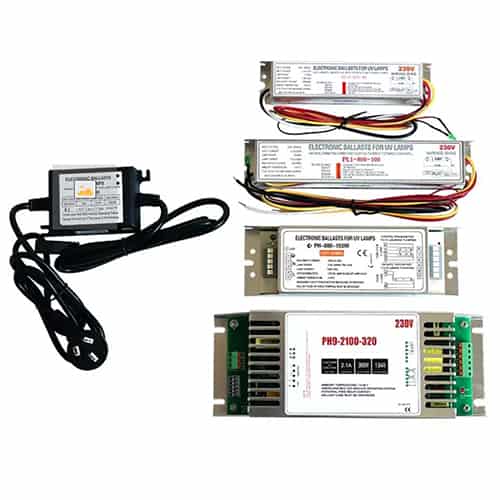
How Does an Electronic Ballast Work?
An electronic ballast controls the electrical current supplied to a lamp. It converts incoming AC power into a regulated, high-frequency output that allows the lamp to start quickly and operate efficiently. This high-frequency operation reduces flicker, improves energy efficiency, and lowers audible noise compared to magnetic ballasts.
Inside the ballast are multiple electronic ballast components, including capacitors, transistors, resistors, control ICs, and filtering circuits. These parts work together to start the lamp, limit current, and maintain stable light output. Because these components are solid-state devices, they are sensitive to heat, voltage stress, and environmental conditions.
Unlike magnetic ballasts, electronic ballasts rely heavily on precise electrical control. Any imbalance—such as overheating, unstable input voltage, or a failing lamp—can push components beyond their limits. Over time, this stress leads to gradual degradation or sudden failure.
Overheating – The Leading Cause of Electronic Ballast Failure
Heat is the most common reason an electronic ballast fails. Every ballast generates heat during operation. When that heat cannot escape, internal temperatures rise quickly and damage sensitive components.
Poor ventilation is a major contributor. Enclosed fixtures, tight ceiling cavities, or sealed sign housings trap heat around the ballast. In these conditions, even a properly rated ballast can exceed its maximum operating temperature. High ambient temperatures in factories, warehouses, or outdoor installations make the situation worse.
Heat accelerates capacitor aging and weakens solder joints on circuit boards. Once internal temperatures remain elevated for long periods, failure becomes a matter of time rather than chance. This is why overheating is frequently linked to premature failure, especially in compact fixtures using t8 electronic ballasts or high-output lamps.
Capacitor Failure and Component Aging
Capacitors are the weakest link in most electronic ballasts. Electrolytic capacitors, in particular, contain liquid electrolytes that dry out over time. Heat speeds up this process dramatically.
As capacitors degrade, the ballast may still function but show unstable behavior. Common symptoms include flickering, delayed starting, or inconsistent brightness. Eventually, the ballast may stop working altogether.
Even under ideal conditions, electronic components age. Chemical breakdown, thermal cycling, and electrical stress slowly reduce reliability. This explains why many ballasts fail shortly after their expected service life, even if no obvious external problem exists.
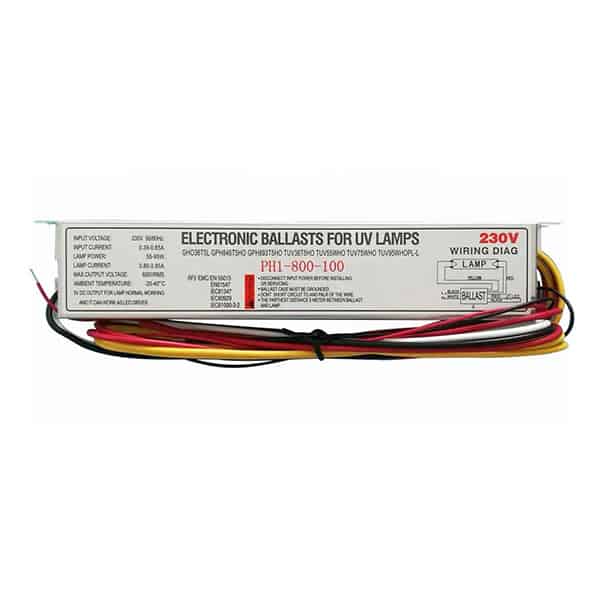
Voltage Spikes, Surges, and Power Quality Problems
Electronic ballasts are more sensitive to power quality than magnetic ballasts. Voltage spikes, surges, and transient disturbances can instantly damage internal components.
Poor grounding, unstable utility supply, or nearby heavy equipment can introduce electrical noise into the system. Repeated minor surges may not cause immediate failure, but they weaken semiconductor devices over time.
In facilities without surge protection, ballast failure rates are noticeably higher. This is especially true in industrial environments where motors, welders, or large compressors operate on the same electrical network.
Bad Lamps Can Kill a Good Ballast
A failing lamp places abnormal stress on the ballast. When fluorescent lamps reach end of life, they may flicker, cycle on and off, or draw irregular current. The ballast compensates by working harder, which increases internal stress.
Blackened lamp ends, slow starts, or uneven light output are warning signs. If these lamps are not replaced promptly, the ballast can overheat or suffer component damage.
This is why many technicians replace lamps in groups. Allowing old lamps to operate until complete failure often shortens ballast lifespan significantly.
Compatibility Issues with LED and Fluorescent Lamps
Not all lamps are compatible with all ballasts. Using the wrong lamp type, wattage, or technology is a frequent cause of failure.
LED retrofit tubes are a common problem area. Some are designed to operate with existing ballasts, while others require direct wiring. Installing incompatible lamps can overload the ballast or cause erratic operation. Similar issues occur when upgrading from a magnetic ballast to electronic ballast without checking system compatibility.
When converting systems, especially from magnetic ballast to electronic ballast setups, matching electrical characteristics is critical. Ignoring compatibility guidelines often leads to shortened service life or immediate failure.
Installation Errors and Fixture Design Problems
Incorrect installation places unnecessary stress on electronic ballasts. Loose connections increase resistance and heat. Poor grounding exposes components to electrical noise. Incorrect wiring can cause internal damage that is not immediately obvious.
Fixture design also matters. Some fixtures simply do not provide enough airflow for electronic ballasts. Others place the ballast too close to heat-producing lamps, raising internal temperatures beyond safe limits.
Even a high-quality ballast will fail early if installed incorrectly or used in a poorly designed fixture.
Moisture, Humidity, and Environmental Exposure
Electronic ballasts are vulnerable to moisture. High humidity, condensation, or water intrusion can corrode circuit boards and connectors.
Outdoor signs, parking garages, cold storage facilities, and aquariums are common high-risk environments. Temperature changes cause condensation inside fixtures, even if they appear sealed.
Once corrosion begins, failure is usually progressive. Flickering and intermittent operation often appear before total failure occurs.
Frequent Switching and Short Cycling
Electronic ballasts are rated for a limited number of on/off cycles. Frequent switching shortens lifespan.
Motion sensors, occupancy controls, and automated systems increase cycling frequency. Each start-up stresses internal components, particularly capacitors and switching transistors.
Ballasts designed for continuous operation may fail quickly when used in applications with rapid cycling. Selecting the correct ballast type for the control strategy is essential.
How Long Do Electronic Ballasts Last?
Under normal conditions, electronic ballasts typically last between 5 and 10 years. High-quality models may exceed this range, while poorly installed or stressed ballasts fail much sooner.
Heat, power quality, lamp condition, and operating cycles all influence lifespan. Compared to magnetic ballasts, electronic versions are more efficient but often have a shorter service life when conditions are not ideal.
Understanding these factors helps set realistic maintenance schedules and replacement plans.
Is a Bad Ballast Dangerous?
A failing ballast can be a safety risk. Overheating ballasts may emit burning smells, smoke, or visible discoloration. In extreme cases, insulation breakdown can create fire hazards.
Buzzing, excessive heat, or melted components are signs that immediate replacement is necessary. Ignoring these warnings increases the risk of electrical failure or damage to surrounding materials.
How to Tell If a Fluorescent Bulb or Ballast Is Bad Without Tools
Simple observation often reveals the cause. Flickering across multiple new lamps usually indicates a ballast issue. Blackened lamp ends suggest lamp failure.
If replacing the lamp does not solve the problem, the ballast is likely at fault. Listening for buzzing and feeling for excessive heat can also provide clues.
This basic process of elimination helps avoid unnecessary replacements and speeds up troubleshooting.
When Ballast Replacement Is the Best Option
Repairing electronic ballasts is rarely economical. Once internal components fail, replacement is usually the safest and most cost-effective solution.
In many cases, upgrading the entire system—especially during lighting retrofits—provides better long-term value. Evaluating fixture condition, control requirements, and lamp type ensures the new ballast operates reliably.
Preventing Premature Electronic Ballast Failure
Most ballast failures are preventable. Proper ventilation, correct lamp selection, stable power supply, and quality installation all extend service life.
Replacing aging lamps early, avoiding incompatible retrofits, and selecting ballasts designed for the operating environment make a measurable difference. With informed choices, electronic ballasts can deliver reliable performance throughout their intended lifespan.
Understanding why electronic ballasts fail is the first step toward reducing downtime, lowering maintenance costs, and improving lighting system reliability.